
On her first solo trip to Bali, Rainy Rosethalia found herself drawn to the ocean and the small pieces of glass washed smooth along its shores. Unlike newly made glass, genuine sea glass takes decades of tumbling through saltwater and sand to soften its edges, with no two pieces emerging quite alike. That unpredictability became the foundation of jewellery brand Kamaya. Rainy designs around the shapes she finds rather than forcing the material into uniformity, working with Balinese silversmiths to handcraft each piece in small batches.
In the Anaya Necklace, sea glass is drilled rather than bezel-set so its natural silhouette hangs freely; in the Dhana Necklace, its irregular form sits alongside an equally individual Biwa pearl. For Rainy, these imperfections aren't something to disguise—they're what give each Kamaya piece its character, history, and second life.
Below, the founder take us behind the brand.
Take us back to the Bali trip that started it all.
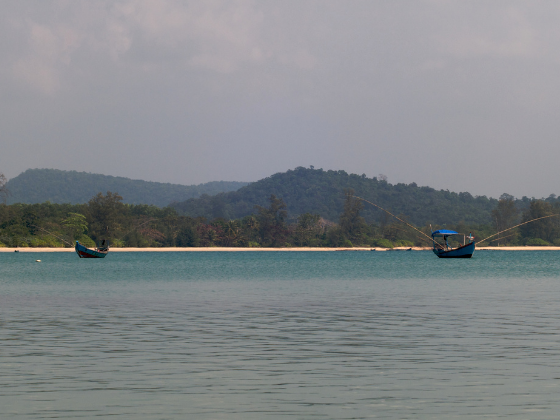
That was my first solo trip to Bali. I wanted to step away from my routine and reconnect with myself. During that trip, I fell in love with the ocean because it was where I felt most at peace.
One day, I found pieces of sea glass on the beach and became fascinated by them. After learning more about how sea glass is formed and what makes it special, I knew I wanted to create something meaningful with it. A few months later, I flew back to Bali to find a silver artisan who could help bring my vision to life.
Why did sea glass, rather than another natural material, become the foundation of the brand?
What I love about sea glass is how each piece can spend decades in the ocean before becoming smooth enough to be found. I also love the story it carries. Sea glass reminds me that broken things can become beautiful again.
Without time and the natural weathering process, it would simply remain broken glass. Instead, the ocean transforms it into something meaningful, and we’re able to give it a second life as jewellery.
Every piece of sea glass has already lived another life before becoming jewellery. Does that history influence the way you see the material?
Of course! That’s what I love most about sea glass. Each piece carries a sense of history and meaning, and in a way, we’re giving it a second life. Since no two pieces are ever the same, each has its own character, making every piece of jewellery one of a kind.
Can you walk us through how a Kamaya piece comes together, from finding inspiration and sourcing the sea glass to crafting the finished jewellery?
My biggest source of inspiration is always nature, especially the sea. I’m drawn to its organic shapes, textures, and imperfections, and I try to reflect those qualities in every design.
When I first started Kamaya, I handpicked every piece of sea glass myself from the beaches. As the brand grew, I built a small team who now carefully handpick each piece with the same attention to quality. I design every piece myself, then work closely with skilled Balinese silver artisans to bring each design to life.
Everything is handcrafted in small batches, allowing us to preserve the individuality of the sea glass and the craftsmanship behind each piece.
What are the biggest challenges of designing with a material that can never be replicated? And what does “sustainably sourced sea glass” mean to Kamaya?
Some designs require very specific pieces of sea glass, such as a slightly triangular shape or a smaller size. Finding the right piece can take time because every piece is naturally formed and no two are exactly alike.
For us, sustainably sourcing sea glass means collecting only genuine, ocean-tumbled glass that has washed up on beaches. We never manufacture or artificially tumble the glass. By collecting these pieces, we help remove discarded glass from the beaches and give the material a second life as jewellery.
Tell us about the artisans who make Kamaya jewellery. How did you find them, and what drew you to working with Balinese silversmiths?
I worked with several artisans and created a few samples before finding someone I trusted to bring my vision to life. What drew me to Balinese silversmiths was the incredible care they bring to their craft. Their dedication to craftsmanship means every piece is made thoughtfully, without taking shortcuts.
You mention that ensuring fair wages for your artisans is important to Kamaya. Can you tell us more about that?
I believe the people behind every Kamaya piece deserve to be valued. That’s why I make sure everyone on our team, from our artisans to our shop assistants, is paid fairly for their work.
I deeply appreciate the people who help bring Kamaya to life, and I would never want to underpay them simply to achieve higher profit margins.
How do you imagine someone feeling when they wear a Kamaya piece?
I hope they feel confident every time they wear our pieces. I also hope the jewellery reminds them to embrace their imperfections. Just like sea glass, every person is one of a kind, and I hope our jewellery can serve as a small reminder of that.
Tell us about a few of the Kamaya pieces selected by Dia. What makes them special to you?
The Anaya Necklace is one of our earliest designs and has remained one of our bestsellers since we first launched. What makes it special is that the sea glass is drilled directly rather than set in a bezel, allowing it to hang freely and showcase its natural shape. It also features a tiny Ashoka flower, which adds a subtle detail that feels distinctly inspired by Southeast Asia.
The Dhana Necklace is another favourite. It brings together a Biwa pearl and a piece of sea glass, combining two naturally irregular materials in one harmonious design. They’re both imperfect in their own way, yet they complement each other beautifully.
Looking back, what has the sea taught you about design, beauty, or even yourself?
The sea has taught me to appreciate imperfection, because that’s what makes us unique. Through Kamaya, I’ve also learned to enjoy the journey and trust the process rather than focusing only on the end result.
To me, the beauty of art lies in its imperfections. They’re what give a piece its soul, story, and authenticity. That perspective has shaped not only the way I design, but also the way I see myself and the world around me.
This interview has been edited for brevity and clarity.